Monthly Insight March 2026
A Month of Vision, Collaboration and Meaningful Voices in Liver Care
March 2026 was a defining month for the Romanian Association for Liver Diseases (RoALD), bringing together science, education, multidisciplinary collaboration and patient perspective around one central mission: improving liver health through earlier recognition, better risk stratification, more integrated care and a stronger long-term vision.
At the heart of this month stood RoALD’s two flagship annual events in Bucharest: the 3rd Romanian Forum of Metabolic Hepatology, dedicated to transforming MASLD care through multidisciplinary action and long-term vision, and the 13th Update on Hepatology Course, focused this year on personalized management of liver diseases in the flow of hepatology practice. Together, these meetings reflected RoALD’s ongoing commitment to connecting scientific progress with real-world clinical needs and to building a stronger, more collaborative liver care community in Romania.
The Romanian Forum of Metabolic Hepatology, held on 12 March 2026, placed MASLD exactly where it belongs: at the intersection of hepatology, cardiometabolic medicine, primary care, public health and health policy. The program moved from epidemiology and proactive diagnosis to therapeutic innovation, multimorbidity, clinical pathways and national strategy, making it clear that MASLD can no longer be viewed as an isolated liver condition. A key outcome of the Forum is the forthcoming Position Paper on MASLD as a public health threat in Romania, an important collaborative initiative expected to help shape future national efforts in prevention, early detection and integrated care.
One of the strongest messages of the Forum was the need for true multidisciplinary engagement. By bringing together specialists from hepatology, gastroenterology, cardiology, endocrinology, diabetology, pneumology, ENT, nephrology, family medicine and public health, the event highlighted that effective MASLD care depends on collaboration across specialties and on a shared responsibility for identifying and managing metabolic liver disease before advanced complications occur.
This momentum continued with the 13th Update on Hepatology Course, held on 13–14 March 2026, which offered a broad and highly practical scientific program spanning viral hepatitis B and D, autoimmune and cholestatic liver disease, alcohol-related liver disease and MetALD, cirrhosis as a multisystemic disease, innovation in liver transplantation, and the expanding role of endohepatology. The course theme, personalized management of liver diseases in the flow of hepatology practice, captured an essential shift in modern hepatology: moving from standardized approaches toward care that is timely, individualized, multidisciplinary and truly relevant to each patient’s journey.
Importantly, the course also opened the conversation beyond conventional clinical endpoints through HepaHUB: Connecting with Our Patients - Your Health, Your Voice: Patient-Reported Outcomes in Liver Care. This parallel session reminded all of us that modern hepatology must not only treat disease, but also listen more carefully to the patient experience. Our patients once again made a very special impression. They moved us deeply and honored us with their words, their openness and their presence. Their testimonies brought authenticity, emotion and perspective to the scientific dialogue, and reminded us why patient voice must remain central in liver care. We are sincerely grateful to them for their trust and for the dignity with which they shared their stories.
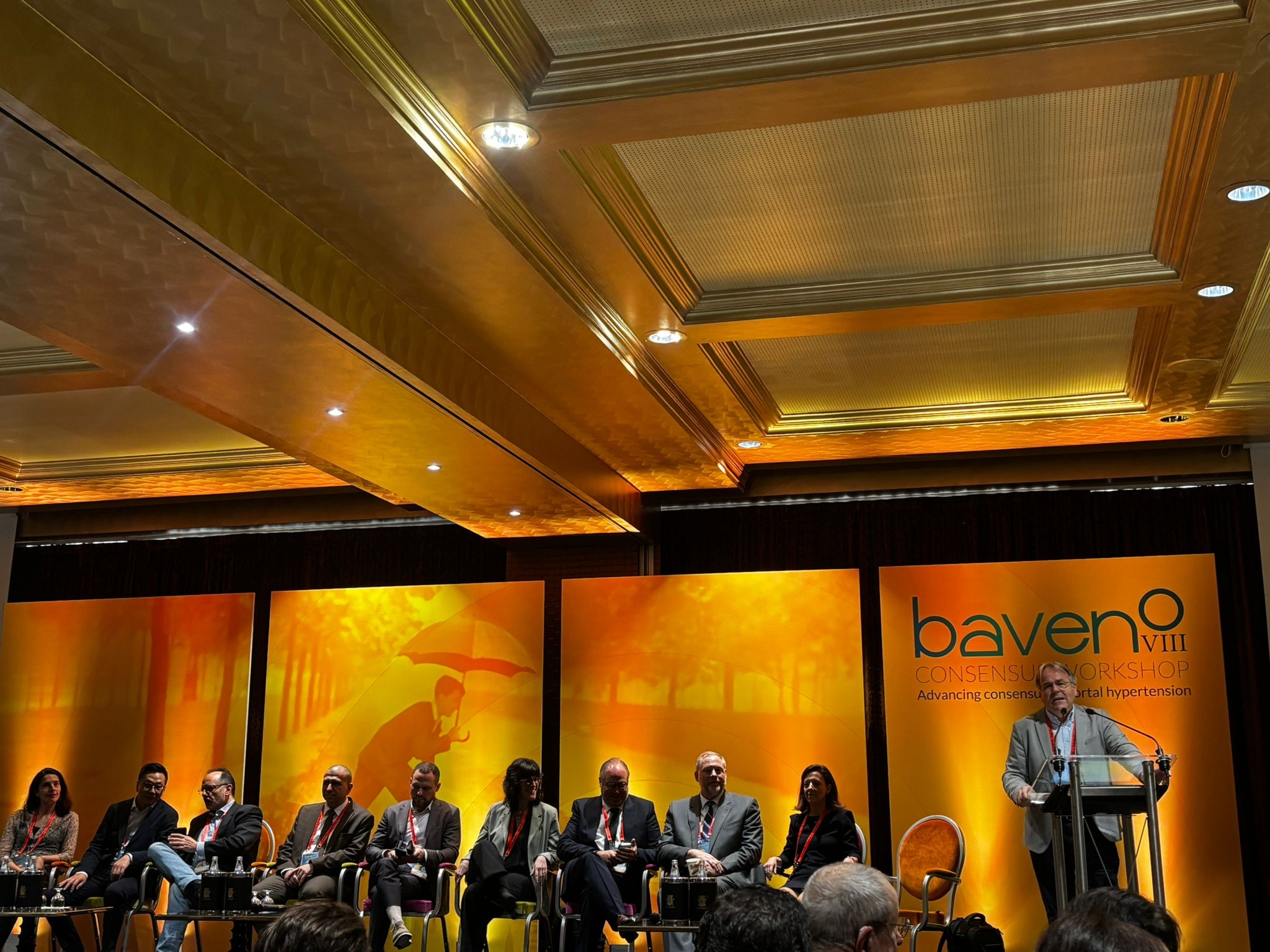
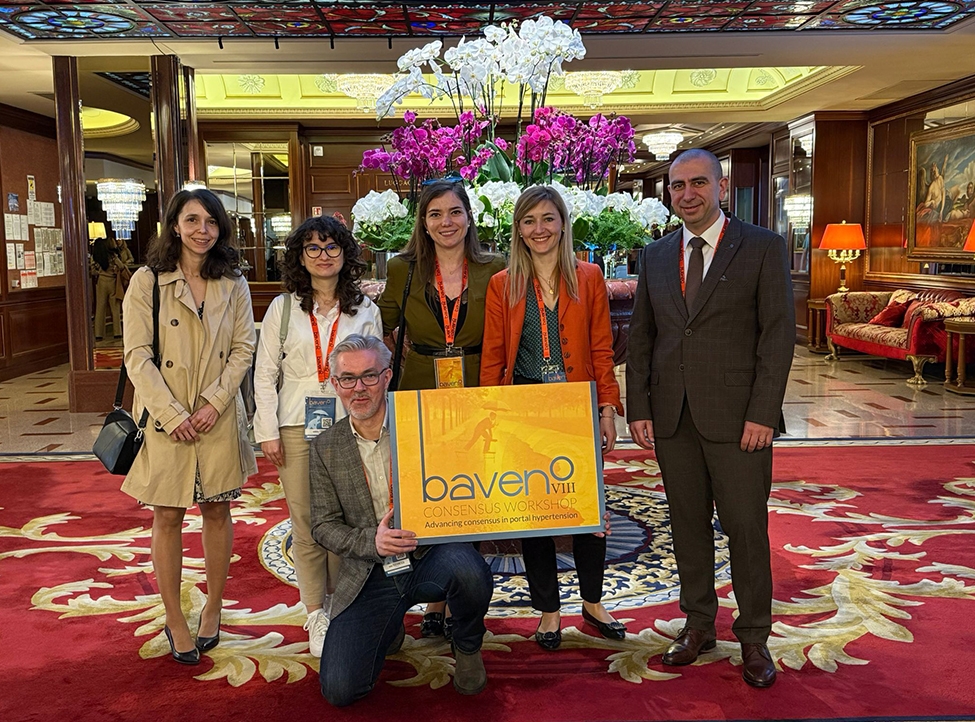
A second major highlight of the month was Baveno VIII, which generated important discussions across the hepatology community and delivered clinically relevant updates on portal hypertension and cirrhosis. Among the major takeaways were the continued prognostic value of the rule of five in cACLD, the growing role of LSM, platelet count and SSM in the diagnosis of CSPH, and a more selective approach to endoscopic surveillance in patients who are not candidates for NSBB therapy. The meeting also reinforced the concept that risk in cirrhosis is dynamic and must be reassessed over time, even after etiological treatment.
The Baveno VIII discussions further refined practical management in acute variceal bleeding, gastric varices, portal hypertensive gastropathy and GAVE, while also emphasizing the role of pre-emptive TIPS, the importance of individualized decisions in patients with HCC, and the need to actively address metabolic comorbidities such as obesity and diabetes as part of cirrhosis care. Another strong and recurring message was the value of NSBBs, especially carvedilol, in preventing decompensation and improving survival.
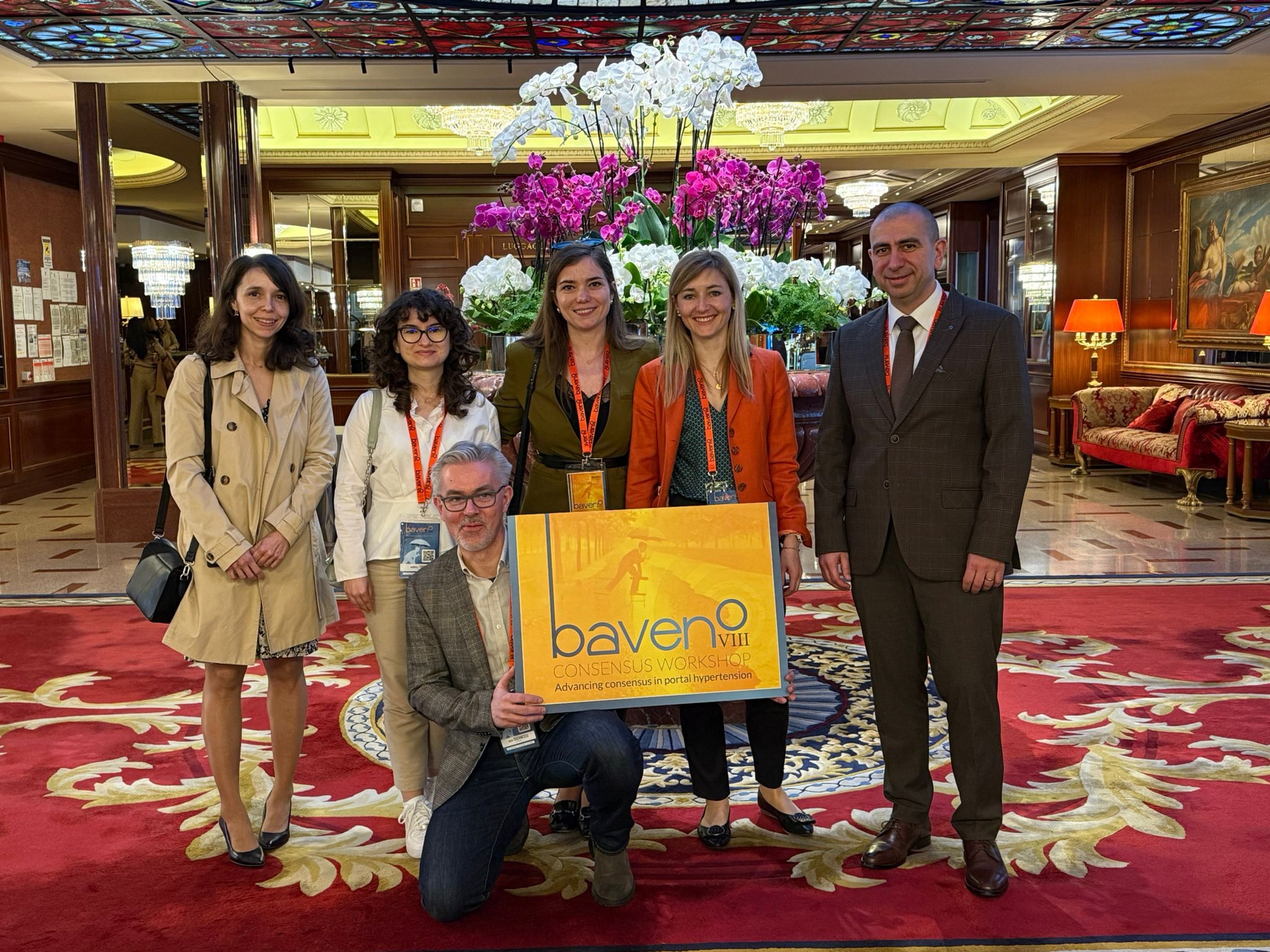
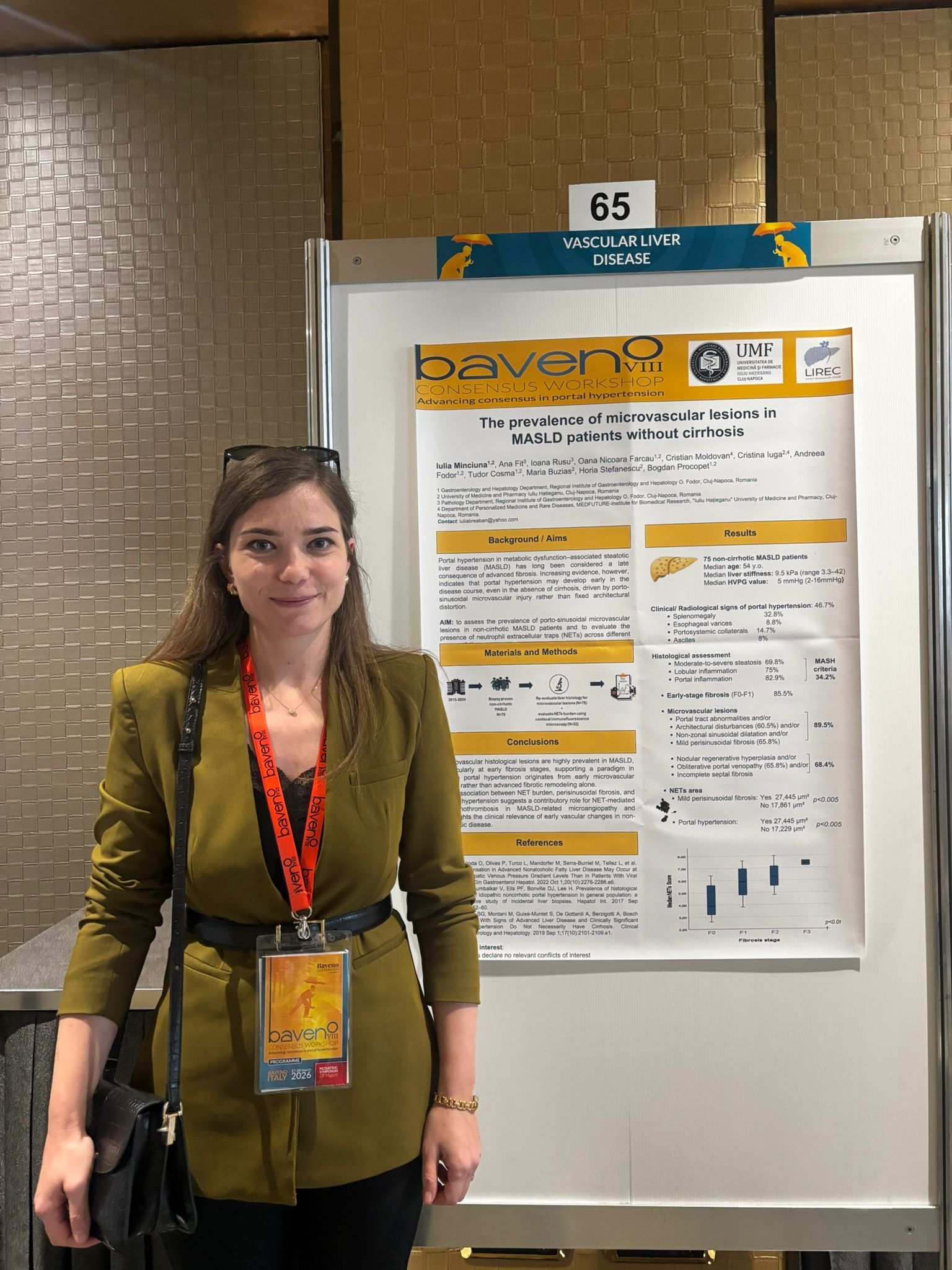
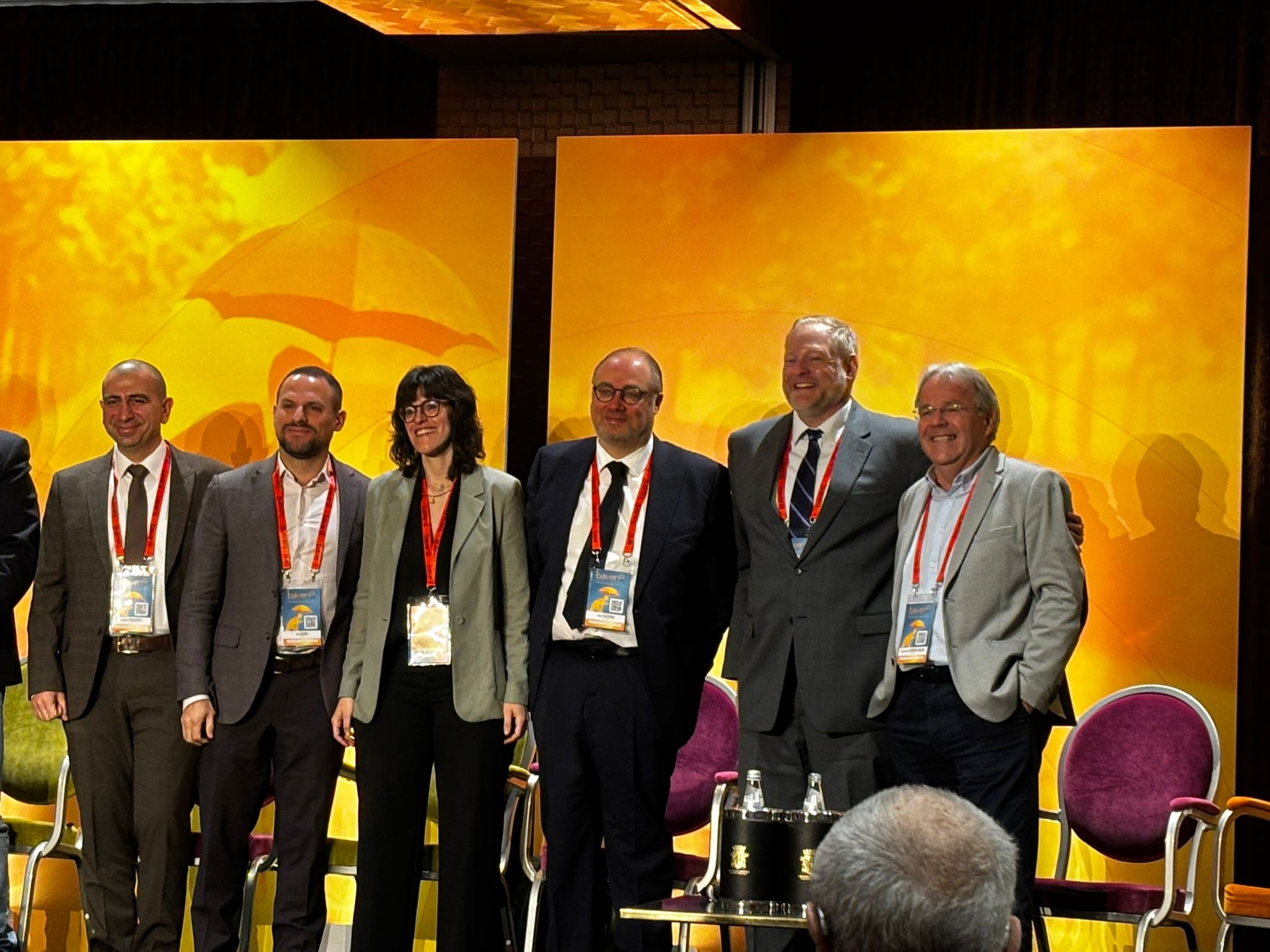
We were also proud to see Romanian participation highlighted at Baveno VIII. Colleagues from Cluj-Napoca contributed valuable scientific work through posters, including Iulia Minciună, who presented data on the prevalence of microvascular lesions in MASLD patients without cirrhosis, and Oana Nicoară-Farcău, who presented long-term outcomes of TIPS in cirrhosis. In addition, Bogdan Procopet chaired one of the sessions, reflecting once again the active presence of Romanian hepatology in the international arena.
We would also like to express our sincere gratitude to our international speakers and faculty for their outstanding contribution, generosity and continued support of the Romanian hepatology community. Our warm thanks go to Jeffrey Lazarus, Ines Mega, Vlad Ratziu, Nancy Reau, Heiner Wedemeyer, Costică Aloman, Luca Belli, Marco Carbone, Umberto Cillo, Philip Mathurin, Raluca Pais, Shiv Sarin and Dominique Thabut. Their presence and expertise enriched the scientific dialogue across both the Romanian Forum of Metabolic Hepatology and the 13th Update on Hepatology Course, strengthening the international dimension of these meetings and inspiring meaningful discussions on the future of liver care.
At the same time, we thank all Romanian speakers, moderators, chairs, collaborators and participants who helped make these events so vibrant, relevant and forward-looking. March was not only a month of successful meetings. It was a month in which science, strategy, education and patient voice came together in a truly meaningful way.
For RoALD, this month reflects more than activity. It reflects identity: a community that is engaged, generous, ambitious and ready to help shape the future of liver health in Romania and beyond.